EML360 Framework
Four Stages. One Connected Lifecycle.
EML360 views event work through Concept, Planning, Execution, and Evaluation.
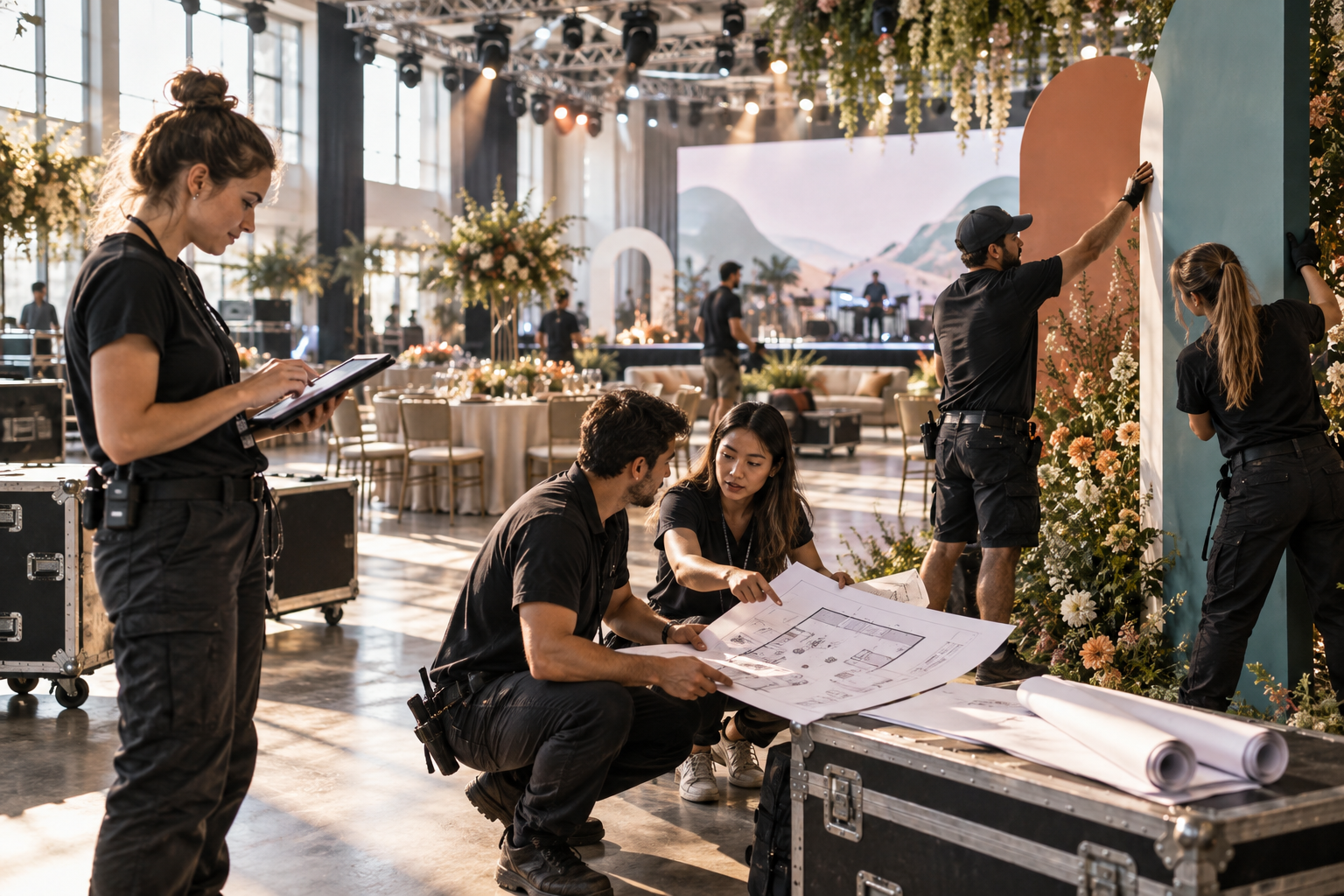
Four Connected Stages
EML360 views events through four connected stages. Each stage has a distinct purpose, but decisions made in one stage influence every stage that follows.
01
Concept
Clarify the event purpose, client vision, priorities, requirements, stakeholders, constraints, and intended outcomes.
02
Planning
Translate the vision into an aligned and actionable plan that considers scope, resources, timing, budget, partners, operations, and experience.
A connected lifecycle helps teams see how every decision shapes the experience ahead.
03
Execution
Coordinate people, information, resources, decisions, and changes through event delivery while protecting the intended experience.
04
Evaluation
Review performance, capture learning, strengthen relationships, and use insight to improve future outcomes.
Connected Thinking
What Connects the Stages
The lifecycle is designed to help event professionals and cross-functional teams connect the work happening across every stage.
Shared context
Clear ownership
Coordinated handoffs
Continuous learning

Stay Connected
Follow The Framework
Join the early-access community for updates as the EML360 framework and Academy continue to develop.